Water Damage Restoration

What Is Water Damage Remediation and How Does the Process Work?

Water has a way of finding its path into places where it does not belong. A burst pipe, leaking appliance, overflowing sink, severe storm, or hidden plumbing issue can quickly introduce large amounts of moisture into a home or commercial building. While the visible water may seem like the biggest concern, the real challenge often begins after the standing water is gone. Moisture trapped inside walls, floors, insulation, and structural materials can continue causing damage long after the initial incident.
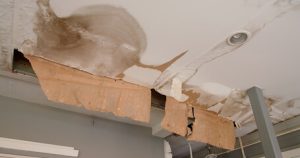
water damage remediation

This is where Water Damage Remediation Salt Lake City becomes essential. Unlike simply cleaning up water with towels, mops, or a wet vacuum, professional remediation is a structured process designed to remove water, dry affected materials, prevent secondary damage, and restore the property to a safe and stable condition. The goal is not only to address the immediate effects of water intrusion but also to reduce the risk of future problems such as mold growth, structural deterioration, and lingering odors.

Understanding how water damage remediation works helps property owners appreciate why acting quickly is so important. The sooner the remediation process begins, the greater the chance of minimizing damage, reducing repair costs, and restoring the property efficiently.

What Is Water Damage Remediation?

Water damage remediation is the comprehensive process of assessing, containing, removing, drying, cleaning, sanitizing, and restoring areas affected by unwanted water. It involves much more than simply extracting standing water. The process addresses both visible damage and hidden moisture that may remain trapped inside building materials.

Professional remediation combines specialized equipment, moisture detection technology, drying systems, and restoration techniques to return the affected space to a dry and healthy condition. Every step is carefully planned to prevent additional damage while protecting the structural integrity of the property.

The scope of remediation varies depending on the source of the water, the amount of moisture present, the materials affected, and how long the water has remained inside the building.

Why Immediate Action Matters

Time is one of the most important factors after water damage occurs. Moisture begins affecting building materials almost immediately, and delays allow water to spread farther into surrounding areas.

Within a short period, drywall can absorb moisture, wood may begin to swell, flooring can warp, insulation may lose effectiveness, and furnishings can become saturated. Prolonged moisture also creates favorable conditions for mold growth, which introduces additional cleanup challenges.

Quick action offers several important benefits:

  1. Reduces structural damage.
  2. Limits mold development.
  3. Preserves flooring and cabinetry.
  4. Minimizes repair expenses.
  5. Speeds up the overall restoration process.

Responding promptly often means fewer materials require replacement and more of the property’s original features can be preserved.

Step One: Inspection and Damage Assessment

Every successful remediation project begins with a thorough inspection. Before any equipment is installed or water is removed, professionals carefully evaluate the affected areas to determine the extent of the damage.

This assessment includes identifying the source of the water, locating all affected materials, measuring moisture levels, and determining how far water has migrated throughout the property.

Moisture frequently travels beyond what is immediately visible. Water can seep beneath flooring, behind walls, inside insulation, and into structural framing where it remains hidden from view.

Specialized moisture detection equipment helps identify these concealed areas so that no significant moisture is overlooked during remediation.

Identifying the Water Source

Not all water damage presents the same level of risk. Understanding where the water originated helps determine the appropriate remediation procedures.

Clean water from a supply line typically presents fewer contamination concerns than water originating from sewage backups or floodwaters containing debris and pollutants.

Identifying the water source allows remediation professionals to select appropriate cleaning methods, protective equipment, and sanitation procedures based on the level of contamination involved.

Addressing the source of the water is equally important. Before restoration begins, the leak or intrusion must be repaired to prevent additional water from entering the property.

Water Extraction

Once the property has been evaluated, the next priority is removing standing water as quickly as possible.

Professional water extraction equipment removes large volumes of water far more efficiently than household tools. Rapid extraction limits additional absorption into floors, walls, and structural components while creating better conditions for the drying process.

The amount of extraction required depends on the severity of the water intrusion. Some properties may contain only minor pooling, while others require extensive removal due to significant flooding.

Removing standing water promptly significantly reduces the overall drying time and helps minimize long-term damage.

Removing Unsalvageable Materials

Not every water-damaged material can be successfully restored. During remediation, professionals determine which materials can be dried and preserved and which should be removed due to severe saturation or contamination.

Items commonly evaluated include drywall, insulation, carpeting, flooring, ceiling materials, cabinetry, and personal belongings.

The goal is always to preserve as much of the original property as possible while ensuring that damaged materials do not contribute to future structural problems or mold growth.

Removing compromised materials also allows hidden areas to dry more effectively.

Structural Drying

Water extraction alone is not enough to complete the remediation process. Moisture often remains inside building materials even after standing water has disappeared.

Structural drying uses specialized air movers, dehumidifiers, and controlled airflow to remove trapped moisture from walls, subfloors, framing, ceilings, and other structural components.

This phase requires careful monitoring because drying too quickly or too slowly can create additional problems. Moisture levels are regularly measured throughout the process to verify that materials are drying evenly and completely.

Drying continues until moisture readings indicate that affected materials have returned to acceptable levels.

Moisture Monitoring Throughout the Process

Professional remediation is guided by data rather than assumptions. Moisture meters, thermal imaging equipment, and humidity monitoring tools allow technicians to track drying progress accurately.

Without proper monitoring, hidden moisture pockets may remain undetected, creating conditions for future mold growth or structural deterioration.

Routine moisture testing helps determine whether equipment placement should be adjusted, whether additional drying time is needed, and when drying has been successfully completed.

This careful monitoring is one of the primary differences between professional remediation and basic water cleanup.

Cleaning and Sanitizing Affected Areas

After drying is complete, the focus shifts to cleaning and sanitizing affected surfaces. Water intrusion often leaves behind dirt, bacteria, odors, or residues depending on the source of the water.

Professional cleaning may include disinfecting hard surfaces, deodorizing affected areas, removing debris, and treating materials that can safely be restored.

The objective is to return the space to a clean condition while eliminating contaminants that could affect indoor air quality or occupant comfort.

Cleaning also prepares the property for any repairs or reconstruction that may follow.

Odor Removal

One of the most frustrating consequences of water damage is the lingering musty odor that can remain even after visible moisture disappears.

These odors are typically caused by moisture trapped within porous materials or by microbial activity resulting from prolonged dampness.

Professional remediation addresses odors at their source rather than masking them with fragrances. Specialized deodorization techniques help eliminate odor-causing particles while improving the overall indoor environment.

When moisture is thoroughly removed and affected materials are properly cleaned, unpleasant odors are far less likely to return.

Preventing Mold Growth

One of the primary objectives of water damage remediation is preventing mold before it has an opportunity to spread.

Mold thrives in damp environments, making untreated water damage an ideal breeding ground. Even small amounts of hidden moisture can support mold growth if left unresolved.

Effective remediation reduces this risk by:

  1. Removing standing water quickly.
  2. Drying structural materials thoroughly.
  3. Eliminating excess humidity.
  4. Cleaning contaminated surfaces.
  5. Monitoring moisture until drying is complete.

Preventing mold early is generally much simpler and less expensive than addressing a widespread mold infestation later.

Restoring the Property

Once remediation has been completed, restoration work begins. Restoration focuses on returning the property to its original appearance and functionality.

Depending on the extent of the damage, restoration may involve replacing drywall, installing new flooring, repairing trim, repainting walls, reinstalling cabinetry, or rebuilding damaged structural components.

Some projects require only minor cosmetic repairs, while others involve more extensive reconstruction.

The ultimate goal is to restore both the appearance and structural integrity of the affected areas while ensuring that all moisture-related concerns have been fully resolved.

Common Causes of Water Damage

Water damage can occur unexpectedly for many different reasons. Understanding these common causes allows property owners to remain alert and respond quickly when problems arise.

Frequent sources of water damage include:

  1. Burst or leaking pipes.
  2. Roof leaks.
  3. Overflowing appliances.
  4. Plumbing fixture failures.
  5. Foundation seepage.
  6. Heavy rainfall or flooding.
  7. Water heater malfunctions.
  8. Blocked drainage systems.

Routine inspections and regular maintenance help reduce the likelihood of many of these issues developing into significant water damage events.

Why Professional Water Damage Remediation Matters

Although minor spills can often be cleaned without assistance, significant water damage usually requires professional expertise. Hidden moisture, specialized drying requirements, contamination concerns, and structural risks make comprehensive remediation a complex process.

Experienced remediation professionals use advanced equipment and proven techniques to identify moisture that may not be visible while ensuring the property dries thoroughly and safely. Their systematic approach helps reduce repair costs, preserve building materials whenever possible, and lower the risk of future complications.

Attempting to dry extensive water damage without proper equipment often leaves behind moisture that continues damaging the property long after surfaces appear dry.

Water damage remediation is far more than simply removing standing water. It is a carefully planned process that combines inspection, moisture detection, water extraction, structural drying, cleaning, sanitizing, odor removal, and restoration to return a property to a safe and stable condition. Every step is designed to address both immediate damage and the hidden moisture that can lead to long-term structural issues if left untreated.

Acting quickly after water damage occurs is one of the most effective ways to protect a property from escalating repairs, mold growth, and unnecessary restoration costs. By understanding how the remediation process works and why each stage is important, property owners can make informed decisions during stressful situations and take the necessary steps to preserve the value, safety, and comfort of their homes or commercial buildings. Whether the damage is caused by a plumbing failure, appliance leak, or unexpected weather event, professional water damage remediation provides the comprehensive care needed to restore affected spaces and help prevent future problems.


Cabinet Painters

Can Cabinet Painters Refresh Bathroom Cabinets Without Replacing Them?

Bathroom cabinets are among the most frequently used features in any home. They endure daily exposure to moisture, humidity, cleaning products, and constant handling, all of which gradually take a toll on their appearance. Over time, even well-built cabinets can begin to look outdated, faded, scratched, or worn, making the entire bathroom feel less inviting. Many homeowners assume that once their bathroom cabinets lose their appeal, replacement is the only option. Fortunately, that is often far from the truth.

cabinet painters

Professional Modesto Cabinet Painters has become one of the most effective ways to transform bathroom cabinetry without the expense, disruption, and waste associated with a complete replacement. Instead of removing perfectly functional cabinets, skilled cabinet painters can restore and modernize existing ones using specialized preparation techniques, durable coatings, and professional finishing methods. The result is a refreshed appearance that can dramatically improve the overall look of the bathroom while preserving the existing cabinet structure.

If your bathroom cabinets are structurally sound but no longer match your style or have simply begun showing signs of age, repainting may be the ideal solution. Understanding how cabinet painters approach the process and the benefits it offers can help you decide whether refreshing your cabinets is the right investment for your home.

Why Bathroom Cabinets Often Show Wear First

Bathrooms create a challenging environment for cabinetry. Unlike cabinets in many other parts of the home, bathroom cabinets are constantly exposed to changing humidity levels, steam from showers, water splashes around sinks, cosmetics, cleaning chemicals, and frequent opening and closing throughout the day.

These conditions gradually affect both the cabinet finish and the hardware. Paint may begin to discolor, glossy finishes can lose their shine, and surfaces often develop scratches, stains, or chipped edges. Moisture may also contribute to minor swelling or finish deterioration if cabinets are not properly protected.

Despite these cosmetic issues, many bathroom cabinets remain structurally solid for years. When the cabinet boxes, doors, and drawer fronts are still in good condition, repainting often provides a practical alternative to replacing the entire vanity or storage system.

When Cabinet Painting Is a Good Option

Not every cabinet needs to be replaced simply because it looks outdated. In many cases, professional painting can restore cabinets that are otherwise fully functional.

Cabinet painting is often an excellent choice when:

  1. The cabinet structure remains sturdy.
  2. Doors and drawers operate properly.
  3. The existing finish has become faded or worn.
  4. Minor scratches and cosmetic imperfections are present.
  5. The homeowner wants to update the bathroom’s appearance without a major renovation.

When cabinets meet these conditions, repainting allows homeowners to achieve a fresh, modern look while avoiding the higher costs associated with demolition and replacement.

The Difference Between Cabinet Painting and Wall Painting

Some homeowners mistakenly believe painting cabinets is similar to painting interior walls. In reality, cabinet painting requires a far more detailed process because cabinets experience significantly more wear than painted drywall.

Walls are rarely touched compared to cabinets, which are opened, closed, cleaned, and handled multiple times every day. Because of this constant use, cabinet finishes must be much more durable.

Professional cabinet painters use specialized primers, coatings, and application methods designed specifically for cabinetry. They also devote substantial time to preparation, since proper surface preparation largely determines how well the finish performs over the years.

The techniques involved require patience, precision, and experience to produce smooth, factory-like results.

Preparation Is the Key to Lasting Results

One of the biggest reasons professional cabinet painting produces superior results is the extensive preparation completed before any new paint is applied.

Preparation typically involves removing cabinet doors, drawer fronts, hinges, knobs, and other hardware. Every surface is then thoroughly cleaned to eliminate soap residue, oils, cosmetics, dust, and grime that naturally accumulate over time.

Once cleaned, cabinet surfaces are carefully sanded or otherwise prepared to improve adhesion. Small dents, scratches, nail holes, or minor imperfections may also be repaired before primer is applied.

Skipping these preparation steps often leads to peeling, bubbling, uneven finishes, or premature wear. Proper preparation creates the strong foundation necessary for a beautiful and long-lasting finish.

Modern Paint Finishes Offer Excellent Durability

Today’s cabinet coatings have improved significantly compared to traditional household paints. Professional-grade cabinet finishes are designed to withstand daily use while resisting moisture, stains, and repeated cleaning.

These advanced coatings cure into durable finishes that remain attractive even in demanding bathroom environments. Many also provide smooth surfaces that are easier to clean while maintaining consistent color and sheen over time.

When properly applied and fully cured, professionally painted bathroom cabinets can continue looking attractive for many years with routine maintenance.

Updating the Entire Bathroom Without Major Remodeling

Replacing bathroom cabinets often leads to additional renovation work. Existing countertops, plumbing fixtures, flooring, backsplashes, and wall finishes may all require modifications once cabinets are removed.

Cabinet painting offers an entirely different approach.

Rather than changing the bathroom’s layout, repainting allows homeowners to modernize the room while keeping existing fixtures in place. A fresh cabinet finish alone can dramatically brighten the space, create a cleaner appearance, and complement updated mirrors, lighting, faucets, or decorative accessories.

This approach delivers noticeable visual improvements without requiring a complete bathroom renovation.

Popular Color Choices for Bathroom Cabinets

Color selection plays a major role in transforming bathroom cabinets. While personal preference ultimately guides the decision, many homeowners choose shades that create a brighter, cleaner, and more spacious atmosphere.

Popular cabinet colors often include:

  1. Crisp white for a timeless appearance.
  2. Soft gray for understated elegance.
  3. Warm beige for a welcoming feel.
  4. Deep navy for bold contrast.
  5. Charcoal for modern sophistication.
  6. Earth-inspired tones for a natural aesthetic.

Neutral colors tend to remain stylish for many years while blending well with a wide variety of flooring, countertops, and wall finishes.

Cabinet Painting Helps Extend Cabinet Life

Replacing cabinets solely because of cosmetic wear contributes to unnecessary waste when the underlying cabinetry remains structurally sound.

Professional painting extends the useful life of existing cabinets by renewing their protective finish while improving their appearance. Instead of sending usable cabinetry to a landfill, homeowners can preserve quality materials already installed in the bathroom.

This approach maximizes the value of the original cabinetry while postponing the need for more extensive renovations.

Cost Savings Compared to Replacement

Budget is often one of the biggest reasons homeowners consider cabinet painting. Complete cabinet replacement typically involves demolition, disposal, plumbing adjustments, new cabinetry, installation, finishing work, and potential repairs to surrounding surfaces.

Painting existing cabinets generally requires far fewer materials and significantly less labor.

While every project varies, repainting often provides one of the highest visual returns for the investment because it transforms one of the bathroom’s largest focal points without replacing it entirely.

For homeowners seeking noticeable improvements while managing renovation costs, cabinet painting can be an excellent value.

Minimal Disruption During the Project

Major bathroom remodeling projects can disrupt daily routines for extended periods. Demolition, plumbing work, flooring installation, and cabinet replacement frequently require weeks of coordinated construction.

Cabinet painting is typically much less disruptive.

Although doors and drawers are removed during refinishing, much of the cabinet structure remains in place. Professional scheduling, organized work areas, and efficient finishing methods help minimize inconvenience while allowing the transformation to progress smoothly.

For households with busy schedules, this reduced disruption can be a significant advantage.

Hardware Can Complete the Transformation

While freshly painted cabinets dramatically improve appearance, replacing outdated hardware often enhances the final result even further.

New knobs, pulls, and hinges provide updated styling while complementing the cabinet’s new finish. Even relatively small hardware changes can create a surprisingly noticeable visual impact.

Many homeowners choose to coordinate hardware with updated faucets, towel bars, lighting fixtures, and mirrors to create a cohesive bathroom design.

These finishing touches help maximize the overall effect of the cabinet refresh.

Maintaining Newly Painted Cabinets

Professional cabinet finishes are designed for durability, but routine care helps preserve their appearance for years to come.

Simple maintenance practices include:

  1. Wipe away moisture promptly.
  2. Clean surfaces with non-abrasive products.
  3. Avoid harsh chemical cleaners.
  4. Tighten hardware when needed.
  5. Address minor chips before they expand.

Consistent maintenance helps protect the finish while keeping cabinets looking freshly painted for as long as possible.

Choosing Professional Cabinet Painters

Although many homeowners enjoy do-it-yourself projects, cabinet painting requires specialized knowledge and equipment to achieve professional-quality results.

Experienced cabinet painters understand proper surface preparation, coating selection, curing requirements, and application techniques that produce smooth, durable finishes. They also know how to minimize brush marks, drips, uneven coverage, and adhesion problems that commonly affect inexperienced painting projects.

When selecting a cabinet painter, ask about their preparation process, materials, previous cabinet experience, estimated project timeline, and warranty information if available. Reviewing examples of completed work can also provide confidence in the quality of their craftsmanship.

Choosing experienced professionals often results in a finish that closely resembles factory-manufactured cabinetry rather than a simple repainting project.

Is Cabinet Painting the Right Choice?

Cabinet painting is an excellent option for many bathrooms, but it works best when the existing cabinets remain structurally sound. If cabinets have severe water damage, extensive rot, broken frames, or significant structural problems, replacement may ultimately be the better long-term solution.

However, when cabinets are sturdy and only suffer from cosmetic wear, professional painting provides an opportunity to dramatically improve their appearance without the expense and complexity of replacing them. The process preserves functional cabinetry, reduces renovation waste, minimizes disruption, and creates a refreshed bathroom that feels cleaner, brighter, and more modern.

Ultimately, the answer to the question is yes—professional cabinet painters can absolutely refresh bathroom cabinets without replacing them. Through meticulous preparation, high-quality coatings, skilled application, and attention to detail, they can breathe new life into cabinets that have lost their original appeal. For homeowners looking to update their bathrooms while maximizing value, cabinet painting offers an attractive, cost-effective, and long-lasting solution that proves a complete replacement is not always necessary.

General Contractor

General Contractor: What Do They Do?

Whether you are planning a home renovation, building a new house, expanding a commercial space, or completing a major remodeling project, one of the first professionals you will likely encounter is a general contractor. While many people have heard the term, not everyone fully understands what a general contractor actually does or why their role is so important. Some assume they simply oversee construction crews, while others believe they only hire subcontractors. In reality, their responsibilities extend far beyond these common assumptions.

general contractor

A general contractor serves as the central point of coordination for an entire construction project. They bring together skilled trades, manage schedules, oversee budgets, maintain quality standards, and ensure that every phase of construction progresses as efficiently as possible. Instead of property owners trying to manage multiple workers, suppliers, and timelines themselves, the general contractor takes responsibility for organizing the many moving parts involved in completing a successful project. Find out more at https://www.gkconstructionsolutions.com/.

Whether the project is large or small, residential or commercial, a qualified general contractor helps transform construction plans into finished spaces while minimizing delays, reducing costly mistakes, and keeping work organized from beginning to end. Understanding exactly what a general contractor does can help property owners make informed decisions before beginning any construction project.

Understanding the Role of a General Contractor

A general contractor is responsible for managing the day-to-day operations of a construction project. Rather than performing every task personally, they coordinate the work of multiple professionals and ensure that each phase of construction happens in the proper sequence.

Construction projects involve numerous specialized trades such as framing, electrical work, plumbing, roofing, flooring, drywall installation, painting, and finishing. Each trade depends on the completion of previous work before moving forward. Without proper coordination, projects can quickly become disorganized, resulting in scheduling conflicts, unnecessary delays, and increased expenses.

The general contractor acts as the project’s leader, ensuring that every contractor, supplier, and worker understands their responsibilities while maintaining steady progress toward completion.

Planning Before Construction Begins

One of the most valuable contributions a general contractor makes occurs long before construction actually starts. Successful projects require careful planning, realistic scheduling, and detailed preparation.

During the planning stage, a general contractor reviews construction drawings, evaluates project requirements, estimates labor needs, calculates material quantities, and develops a timeline for completing each phase of work.

Proper planning helps identify potential challenges before they become expensive problems. It also allows property owners to understand the project’s expected duration, estimated costs, and overall construction process.

Without thorough planning, even relatively simple projects can encounter delays caused by material shortages, scheduling conflicts, or overlooked construction details.

Coordinating Multiple Skilled Trades

Construction projects rarely involve just one type of worker. Instead, they require specialists who perform different tasks throughout the building process. Since these trades depend on one another, timing becomes critical.

A general contractor coordinates professionals such as:

  1. Carpenters and framers.
  2. Electricians.
  3. Plumbers.
  4. HVAC technicians.
  5. Roofers.
  6. Flooring installers.
  7. Drywall professionals.
  8. Painters and finish carpenters.

Each team arrives when their portion of the project is ready, helping construction move forward efficiently without unnecessary downtime or overlapping work.

This coordination eliminates much of the stress property owners would otherwise experience trying to manage multiple contractors independently.

Managing Construction Schedules

Keeping a construction project on schedule is one of a general contractor’s most important responsibilities. Every delay can create a ripple effect that impacts later stages of construction, supplier deliveries, labor availability, and overall project costs.

General contractors develop detailed schedules that outline when materials should arrive, when subcontractors begin work, and how long each phase should take.

Throughout construction, they continuously monitor progress and make adjustments when unexpected situations arise. Weather conditions, shipping delays, hidden structural issues, or design modifications can all affect scheduling, making active management essential.

Strong scheduling skills help reduce idle time while keeping projects moving toward completion.

Budget Management and Cost Control

Construction budgets involve much more than simply purchasing building materials. Labor costs, equipment rentals, permits, deliveries, inspections, waste disposal, and unexpected repairs all contribute to the final project cost.

A general contractor helps manage these expenses by tracking costs throughout construction and identifying opportunities to improve efficiency without sacrificing quality.

Effective budget management includes:

  1. Preparing realistic cost estimates.
  2. Ordering materials efficiently.
  3. Coordinating labor schedules.
  4. Monitoring project expenses.
  5. Minimizing unnecessary waste.

By carefully managing financial resources, general contractors help reduce surprises while keeping projects aligned with the owner’s expectations.

Purchasing Materials and Equipment

Construction depends on having the right materials available at the right time. Delays in deliveries can stop progress completely if essential supplies are unavailable when workers need them.

General contractors coordinate the ordering, scheduling, and delivery of building materials while ensuring products meet project specifications.

This responsibility often includes purchasing lumber, drywall, roofing materials, insulation, flooring, windows, doors, fixtures, hardware, and numerous finishing materials.

In addition to materials, contractors may also arrange equipment rentals, heavy machinery, scaffolding, lifts, dumpsters, and specialized tools necessary for various phases of construction.

Proper logistics keep projects operating efficiently from start to finish.

Supervising Construction Quality

High-quality workmanship requires ongoing oversight throughout every stage of construction. General contractors regularly inspect completed work to verify that it meets project requirements before allowing the next phase to begin.

Quality control involves monitoring installation methods, verifying measurements, checking material quality, and ensuring finished work aligns with construction plans.

Rather than waiting until the project is nearly complete, quality inspections occur continuously, allowing corrections to be made before they become more expensive to fix.

This attention to detail helps produce better long-term results while protecting the owner’s investment.

Solving Unexpected Problems

Construction projects rarely proceed exactly as planned. Hidden structural damage, outdated building systems, unexpected weather conditions, supply shortages, or design modifications can all introduce new challenges during construction.

One of a general contractor’s greatest strengths is problem-solving.

When issues arise, they evaluate available options, coordinate with appropriate specialists, adjust schedules, and develop practical solutions that minimize disruption.

Their experience allows them to anticipate potential complications while making informed decisions that keep projects moving forward despite unforeseen circumstances.

Communication Between Everyone Involved

Construction involves numerous participants, including property owners, designers, subcontractors, suppliers, inspectors, and delivery personnel. Without effective communication, misunderstandings can quickly create delays or costly mistakes.

General contractors serve as the primary communication hub throughout the project.

They provide updates on progress, explain scheduling changes, coordinate deliveries, answer questions, and ensure everyone remains informed about project developments.

This centralized communication reduces confusion while improving collaboration among all parties involved.

Keeping the Job Site Organized

Construction sites can become hazardous when materials, tools, and equipment are not properly managed. Organization plays a major role in maintaining both efficiency and productivity.

General contractors oversee job site operations by coordinating material storage, scheduling waste removal, organizing deliveries, and maintaining clean work areas whenever possible.

An organized site allows workers to perform their tasks more efficiently while reducing unnecessary delays caused by misplaced equipment or cluttered workspaces.

Good organization also helps preserve materials by protecting them from damage before installation.

Managing Safety Throughout Construction

Construction projects involve numerous activities that require careful attention to safety. Workers may operate power tools, heavy machinery, ladders, scaffolding, and other specialized equipment throughout the project.

General contractors establish job site safety expectations and monitor work practices to encourage safe operations.

Their responsibilities often include identifying hazards, coordinating safe work sequences, maintaining organized work areas, and ensuring subcontractors understand site requirements.

A strong focus on safety benefits both workers and property owners by helping reduce accidents and project interruptions.

Why Experience Matters

Construction knowledge develops through years of managing different types of projects. Experienced general contractors understand how various building systems interact, recognize potential issues before they become major concerns, and coordinate multiple trades efficiently.

This experience becomes especially valuable when unexpected situations arise that require quick decision-making.

Rather than relying solely on construction plans, experienced contractors combine technical knowledge with practical problem-solving to navigate real-world challenges that frequently occur during building projects.

Their ability to anticipate issues often saves significant time and money throughout construction.

Benefits of Hiring a General Contractor

Many property owners initially consider managing construction themselves to reduce costs. However, coordinating an entire project without professional experience can quickly become overwhelming.

Hiring a general contractor provides several important advantages, including:

  1. Professional project coordination.
  2. Better scheduling and organization.
  3. Improved quality control.
  4. Reduced construction delays.
  5. Streamlined communication.
  6. Efficient problem-solving.
  7. Better cost management.
  8. Less stress for the property owner.

These benefits often outweigh the challenges of attempting to manage multiple contractors independently.

Choosing the Right General Contractor

Not every contractor offers the same level of experience, organization, or communication. Selecting the right professional is one of the most important decisions property owners can make before beginning construction.

When evaluating contractors, consider factors such as previous project experience, communication style, scheduling process, transparency regarding costs, and overall professionalism.

Ask detailed questions about how they manage subcontractors, handle unexpected issues, maintain quality standards, and communicate project updates.

Choosing a contractor based on trust, experience, and proven project management skills creates a stronger foundation for a successful construction experience.

A general contractor plays a far greater role than simply supervising workers on a construction site. They are responsible for planning projects, coordinating skilled trades, managing schedules, controlling budgets, purchasing materials, overseeing quality, solving unexpected challenges, and maintaining clear communication from beginning to end. Their expertise helps transform complex construction projects into organized, efficient processes that produce lasting results.

Whether the goal is building a new structure, renovating an existing property, or completing a large-scale remodeling project, the value of a skilled general contractor extends well beyond construction itself. By bringing organization, experience, and leadership to every phase of the project, they help property owners avoid unnecessary stress while improving efficiency and protecting their investment. For anyone considering a construction project, understanding what a general contractor does is the first step toward making confident decisions and achieving a successful outcome.

Uncategorized

Website Design That Builds Trust, Improves User Experience, and Supports Business Growth

web design

A well-designed website is much more than an online brochure. It serves as the digital face of a business, often creating the first impression before a potential customer ever makes contact. In today’s competitive online environment, visitors expect websites to be visually appealing, easy to navigate, and fast enough to provide information without unnecessary delays. If a website feels outdated or difficult to use, many users will simply leave and continue searching elsewhere. That is why website design has become one of the most important investments for businesses that want to establish credibility, strengthen their online presence, and encourage visitors to take meaningful action.

Website design combines aesthetics, functionality, usability, and performance into a single, cohesive experience. Every visual element, navigation menu, image, button, and piece of content should work together to guide users naturally through the site. When these elements are carefully planned, visitors are more likely to stay longer, explore additional pages, and ultimately become customers.

Why Website Design Matters More Than Ever

People form opinions about websites within moments of arriving on a page. These initial impressions often determine whether they continue browsing or leave immediately. A professional website communicates trustworthiness, while an outdated or cluttered layout can create uncertainty about the quality of the products or services being offered.

Beyond appearance, website design directly affects usability. Visitors want to find answers quickly without searching through confusing menus or unnecessary distractions. A thoughtfully organized layout makes it easier for users to locate important information, understand available services, and complete actions such as submitting inquiries or making purchases.

Modern website design also plays a significant role in digital visibility. Search engines evaluate numerous user experience factors, including page speed, mobile responsiveness, navigation structure, and content organization. Websites designed with these considerations in mind are better positioned to compete for valuable search rankings while providing an enjoyable experience for visitors.

The Essential Components of Effective Website Design

Successful websites balance visual appeal with practical functionality. While every business has unique goals, certain design principles consistently contribute to better performance.

Some of the most important elements include:

  1. Clear Navigation: Visitors should reach any important page with minimal effort. Simple menus and logical page structures reduce frustration and improve usability.
  2. Consistent Visual Design: Matching colors, typography, spacing, and imagery create a cohesive appearance that strengthens brand recognition and builds trust throughout the website.

These foundational elements provide visitors with confidence while making the overall browsing experience more enjoyable and efficient.

Mobile-Friendly Design Is No Longer Optional

A significant portion of internet browsing now occurs on smartphones and tablets. As a result, websites must automatically adapt to different screen sizes while maintaining excellent usability. Responsive website design ensures that text remains readable, images display properly, and navigation continues functioning smoothly regardless of the device being used.

Poor mobile experiences often result in frustrated users who abandon websites before learning about available products or services. Small buttons, overlapping content, or slow-loading pages can quickly discourage potential customers.

Mobile optimization also benefits search performance because search engines prioritize websites that provide positive experiences across multiple devices. Businesses that ignore mobile responsiveness risk losing both search visibility and valuable customer opportunities.

Website Speed Influences Every Visitor’s Experience

Loading speed has become one of the most critical aspects of website design. Visitors expect pages to appear almost instantly, and even small delays can increase bounce rates while reducing conversions.

Several design decisions contribute to faster performance, including optimized images, efficient coding practices, streamlined page layouts, and properly managed multimedia content. Eliminating unnecessary design elements allows websites to load faster without sacrificing visual quality.

Fast websites also encourage visitors to browse multiple pages, spend more time learning about services, and complete desired actions with fewer interruptions. Speed improves both user satisfaction and overall website effectiveness.

User Experience Should Guide Every Design Decision

Beautiful websites accomplish little if visitors struggle to use them. User experience focuses on making every interaction as intuitive and enjoyable as possible. This involves understanding how visitors think, what information they seek, and how they naturally navigate online content.

Effective user experience includes readable typography, appropriate spacing, organized content sections, clear calls to action, and logical page flow. Every design decision should help users accomplish their goals with minimal confusion.

When visitors enjoy their browsing experience, they are more likely to return, recommend the website to others, and develop confidence in the business behind it.

Content and Design Must Work Together

Even the most attractive website cannot succeed without valuable content. Design should enhance written information rather than compete against it. Well-organized headings, informative paragraphs, engaging images, and properly spaced sections make content easier to read and understand.

Website visitors often scan pages before reading in detail. Effective design supports this behavior by highlighting key information through visual hierarchy. Larger headings, strategic whitespace, and clearly separated sections help users quickly locate the answers they need.

Combining quality content with thoughtful design creates a more engaging experience that encourages visitors to continue exploring the website.

Common Website Design Mistakes to Avoid

Many websites fail to achieve their goals because of preventable design errors. Recognizing these issues can help businesses create stronger online experiences.

Some frequent mistakes include:

  1. Overcrowded Layouts: Too many graphics, animations, or competing elements make pages feel overwhelming and distract visitors from important information.
  2. Poor Readability: Small fonts, low color contrast, and lengthy blocks of text reduce accessibility and discourage users from reading valuable content.

Avoiding these common problems results in cleaner, more professional websites that better serve both visitors and business objectives.

The Long-Term Value of Professional Website Design

Website design should be viewed as an ongoing investment rather than a one-time project. Technology, customer expectations, and digital trends continue evolving, making regular improvements essential for maintaining competitiveness.

A professionally designed website supports marketing efforts, strengthens credibility, improves customer engagement, and increases opportunities for lead generation. As businesses grow, their websites should also evolve to accommodate new services, updated content, improved functionality, and changing user needs.

Regular design reviews help identify opportunities for refinement while ensuring the website continues meeting modern performance standards. Even small updates to layout, navigation, or page speed can significantly improve overall effectiveness over time.

Website design is one of the most valuable assets a business can develop for long-term online success. It influences how visitors perceive credibility, interact with content, and decide whether to take the next step. A website that combines attractive visuals, responsive layouts, fast performance, intuitive navigation, and high-quality content creates a positive user experience that benefits both visitors and businesses.

As digital competition continues to grow, investing in thoughtful website design becomes increasingly important. Businesses that prioritize usability, accessibility, performance, and continuous improvement position themselves for stronger customer relationships, better search visibility, and sustainable online growth. Rather than simply existing on the internet, a well-designed website becomes a powerful tool that supports marketing, builds trust, and creates lasting value for every visitor who arrives.

Pest Control

Pest Control Maintenance Plans: Long-Term Benefits Explained

Pests rarely appear without a reason. Whether they are searching for food, water, or shelter, unwanted insects and rodents are constantly looking for opportunities to settle into homes and commercial properties. While many people only think about pest control after discovering an infestation, waiting until a problem becomes visible often results in higher costs, greater inconvenience, and more extensive damage. This is why Ben’s Pest Control maintenance plans have become an increasingly popular solution for property owners who want consistent protection rather than temporary relief.

pest control

Unlike one-time treatments that focus only on immediate pest activity, maintenance plans are designed to provide ongoing monitoring, prevention, and timely intervention throughout the year. They create a proactive approach that reduces the chances of infestations developing while helping property owners maintain healthier, cleaner, and more comfortable environments. Understanding how these plans work and the long-term advantages they provide can help homeowners and business owners make informed decisions about protecting their investments.

Understanding Pest Control Maintenance Plans

A pest control maintenance plan is an ongoing service program that includes scheduled inspections, preventive treatments, monitoring, and recommendations to reduce conditions that attract pests. Instead of waiting until pests become noticeable, professionals routinely evaluate the property and address potential issues before they escalate.

Maintenance plans are built around prevention. Every property has unique vulnerabilities depending on its structure, surrounding landscape, weather conditions, and daily activities. Regular visits allow technicians to identify new risks, monitor seasonal pest activity, and adjust treatment strategies as conditions change throughout the year.

The goal is not simply to eliminate existing pests but to create an environment where infestations are far less likely to occur. Consistent service allows problems to be detected early when they are easier, faster, and less expensive to resolve.

Why Prevention Is Better Than Emergency Treatments

Many people underestimate how quickly pest populations can grow. A few insects or rodents may seem insignificant at first, but their numbers can increase rapidly if favorable conditions remain unchanged. By the time visible signs appear, pests may already be well established inside walls, crawl spaces, attics, storage areas, or beneath flooring.

Emergency pest treatments often focus on eliminating the immediate infestation, but they may not fully address the factors that allowed pests to enter in the first place. Without ongoing monitoring, similar problems can easily return.

Preventive maintenance shifts the focus from reacting to problems toward stopping them before they develop. This proactive approach provides peace of mind while reducing unexpected surprises that often accompany major infestations.

Long-Term Financial Savings

Some property owners hesitate to invest in recurring pest control services because they focus only on the monthly or quarterly expense. However, long-term maintenance frequently costs far less than repairing damage caused by unchecked infestations.

Rodents can chew electrical wiring, insulation, and structural materials. Certain insects can damage wooden components over time, while others contaminate stored food or create sanitation concerns that require extensive cleaning. Repairing these problems often costs significantly more than maintaining regular preventive treatments.

Long-term financial benefits include:

  1. Lower repair costs caused by pest damage.
  2. Reduced need for emergency extermination services.
  3. Fewer interruptions to business operations.
  4. Better protection of stored belongings and inventory.
  5. Lower risk of recurring infestations requiring repeated treatments.

Viewing pest control as preventative maintenance rather than an emergency expense helps property owners better protect their budgets over time.

Consistent Protection Throughout Every Season

Pest activity changes with the seasons. Some insects become more active during warmer months, while rodents often seek shelter indoors as temperatures decline. Moisture levels, rainfall, humidity, and changing temperatures all influence pest behavior.

A maintenance plan adapts to these seasonal patterns instead of relying on a single treatment that gradually loses effectiveness over time. Regular inspections ensure that preventive measures remain appropriate for current conditions.

Technicians can identify changing pest pressures before they become serious, allowing treatments to remain effective throughout the year. This continuous adjustment is one of the biggest advantages of scheduled pest management.

Early Detection Prevents Major Infestations

One of the greatest strengths of routine pest inspections is the ability to identify warning signs long before property owners notice them. Small evidence such as droppings, nesting materials, entry points, damaged wood, moisture buildup, or insect activity often indicates that pests are beginning to establish themselves.

Without regular inspections, these early warning signs frequently go unnoticed until the infestation becomes severe.

Routine monitoring allows professionals to:

  1. Detect hidden pest activity.
  2. Identify structural vulnerabilities.
  3. Recommend necessary repairs.
  4. Remove conditions that encourage pests.
  5. Apply targeted treatments before populations expand.

Early intervention almost always requires less treatment, less disruption, and lower overall costs.

Protecting Your Property Investment

For many people, their property represents one of their largest financial investments. Protecting that investment involves more than maintaining the roof, plumbing, electrical systems, or landscaping. Pest prevention is equally important because hidden infestations can slowly compromise structural integrity without immediate visible signs.

Wood-damaging insects may weaken framing components over time. Rodents can damage insulation, drywall, stored belongings, and utility systems. Birds, insects, and other wildlife may create nesting areas that contribute to sanitation issues and building deterioration.

A long-term maintenance plan provides continuous oversight that helps preserve the property’s overall condition. Small issues can be addressed before they develop into expensive structural concerns.

Supporting a Healthier Indoor Environment

Although not every pest directly spreads disease, many create conditions that reduce indoor cleanliness and comfort. Droppings, shed skin, nesting materials, and contaminated food sources can negatively affect indoor environments. Some pests may also contribute to unpleasant odors or trigger allergies in sensitive individuals.

Regular pest management helps maintain a cleaner living or working environment by reducing pest populations before they become widespread.

Professional maintenance also emphasizes sanitation improvements, moisture control, and exclusion techniques that contribute to healthier indoor conditions beyond pest control alone.

Customized Solutions for Different Properties

No two properties experience exactly the same pest challenges. Building age, construction materials, nearby vegetation, moisture levels, waste management practices, and occupancy patterns all influence pest activity.

Maintenance plans typically begin with a detailed inspection to evaluate these unique factors. Based on those findings, a customized treatment schedule is developed.

Rather than applying identical solutions everywhere, professionals adjust their recommendations according to each property’s needs. This personalized approach improves effectiveness while avoiding unnecessary treatments.

As conditions change throughout the year, maintenance plans can also be modified to address new concerns or seasonal pest activity.

Reducing Stress and Uncertainty

Few situations are more frustrating than discovering pests unexpectedly. Whether it involves rodents in storage areas or insects appearing throughout the home, infestations often create anxiety because property owners are unsure how widespread the problem may be.

Maintenance plans reduce that uncertainty by providing scheduled inspections and consistent monitoring. Instead of wondering whether pests have returned, property owners know that trained professionals are regularly evaluating the situation.

This ongoing relationship provides reassurance that small issues will be identified before becoming major concerns.

Improved Results Through Continuous Monitoring

Pest control is rarely a one-time event. Environmental conditions change constantly, and new pests may attempt to enter a property throughout the year. Continuous monitoring allows professionals to evaluate previous treatments, measure effectiveness, and make necessary adjustments.

Rather than relying on assumptions, maintenance programs use ongoing observations to improve long-term performance. This creates a more strategic approach compared to isolated treatments performed only after infestations appear.

Over time, consistent monitoring often results in fewer pest problems and reduced treatment intensity because preventive measures remain active.

Helping Businesses Maintain Professional Standards

Commercial properties face unique pest management challenges because cleanliness, customer confidence, employee safety, and operational continuity all depend on maintaining pest-free environments.

Unexpected infestations can interrupt operations, damage inventory, and negatively affect a company’s reputation. Maintenance plans help businesses minimize these risks through scheduled inspections and preventive treatments.

Routine pest management demonstrates a commitment to maintaining clean facilities while reducing the likelihood of costly disruptions caused by pest activity.

Encouraging Better Property Maintenance Habits

An overlooked advantage of ongoing pest control services is that they encourage better overall property maintenance. During routine visits, technicians often identify conditions that indirectly contribute to pest activity, including excess moisture, damaged weather stripping, foundation gaps, poor drainage, or vegetation growing too close to structures.

Addressing these issues improves not only pest prevention but also the property’s general condition.

Many maintenance recommendations support broader home care practices that enhance durability, energy efficiency, and long-term value.

Choosing the Right Maintenance Schedule

Not every property requires the same service frequency. The ideal schedule depends on factors such as property size, previous pest history, surrounding environment, and the types of pests commonly encountered.

Common maintenance schedules include:

  1. Monthly inspections for higher-risk properties or commercial facilities.
  2. Bi-monthly visits for moderate pest pressure.
  3. Quarterly services for routine preventive maintenance.
  4. Seasonal inspections based on changing pest activity.

A professional evaluation helps determine the most appropriate schedule for maintaining reliable protection throughout the year.

The Long-Term Value of Staying Ahead

Perhaps the greatest benefit of a pest control maintenance plan is the ability to stay ahead of problems rather than constantly reacting to them. Preventive strategies focus on minimizing risks before infestations begin, allowing property owners to avoid many of the frustrations associated with recurring pest issues.

Over months and years, this proactive approach builds lasting protection through consistent monitoring, timely treatments, and ongoing property improvements. Instead of repeatedly facing unexpected infestations, maintenance plans establish a stable defense that adapts to changing conditions while preserving the safety, cleanliness, and value of the property.

Ultimately, pest control maintenance plans represent more than scheduled treatments—they are long-term investments in prevention, peace of mind, and property preservation. By combining routine inspections, customized strategies, early detection, and preventive care, these plans help reduce costly repairs, improve indoor comfort, and support healthier environments throughout every season. For homeowners and business owners alike, choosing ongoing pest management is one of the smartest ways to protect what matters most while minimizing future pest-related challenges.

Landscapers

How Professional Landscapers Enhance Property Value and Long-Term Investment Potential

When people think about increasing the value of a property, they often focus on interior renovations such as kitchen upgrades, bathroom remodeling, or flooring replacements. While these improvements certainly matter, one of the most impactful investments begins outside the building. A thoughtfully designed and well-maintained landscape creates a powerful first impression, improves functionality, and contributes to the overall appeal of a home or commercial property. In many cases, the condition of the outdoor space shapes opinions before anyone even steps inside.

landscapers

Professional Landscape Designers Honolulu HI are much more than planting flowers or mowing a lawn. It is a strategic combination of design, horticultural knowledge, drainage planning, hardscape installation, and ongoing maintenance that transforms outdoor areas into attractive, functional, and sustainable environments. Whether the goal is to increase curb appeal, create inviting outdoor living spaces, or improve long-term property performance, experienced landscapers provide expertise that extends far beyond basic yard work.

For property owners looking at the bigger picture, landscaping should be viewed as a long-term investment rather than a cosmetic upgrade. A professionally designed landscape not only enhances the enjoyment of the property today but also contributes to its marketability and value for years to come.

First Impressions Matter More Than Ever

The exterior of a property creates expectations before visitors, guests, or potential buyers even enter the building. An overgrown lawn, neglected shrubs, uneven walkways, or poorly maintained planting beds can make an otherwise beautiful property appear neglected. On the other hand, a clean, balanced, and professionally maintained landscape immediately communicates care, quality, and pride of ownership.

Professional landscapers understand how visual elements work together to create harmony. They consider plant placement, color combinations, texture, symmetry, seasonal interest, and the relationship between landscaping and architectural features. These details contribute to a polished appearance that enhances the property’s overall image.

An attractive exterior often encourages positive first impressions, which can influence both personal enjoyment and future resale opportunities.

Landscaping Increases Perceived Property Value

Property value is influenced by many factors, including location, condition, functionality, and appearance. Landscaping directly affects the visual appeal of a property, making it more attractive to visitors, buyers, and tenants.

Even before formal appraisals or inspections take place, people naturally assign greater value to properties that appear well cared for. Healthy lawns, mature trees, vibrant planting beds, and thoughtfully designed outdoor spaces create a sense of quality that extends beyond aesthetics.

Professional landscaping enhances perceived value by presenting the property as complete, maintained, and ready to enjoy rather than requiring significant outdoor improvements.

Creating Functional Outdoor Living Spaces

Modern landscaping extends well beyond decorative gardens. Many property owners now view outdoor spaces as natural extensions of their homes, creating additional areas for relaxation, entertaining, dining, or recreation.

Professional landscapers help maximize available space by designing functional outdoor environments that complement the property’s layout and the owner’s lifestyle.

Popular outdoor features include:

  1. Patios and seating areas.
  2. Walkways and garden paths.
  3. Outdoor kitchens.
  4. Fire pit gathering spaces.
  5. Decorative retaining walls.
  6. Pergolas and shade structures.
  7. Garden beds and raised planters.
  8. Multi-purpose lawns for recreation.

These additions improve everyday enjoyment while increasing the property’s overall appeal to future buyers.

Improving Drainage and Protecting the Property

One of the most overlooked benefits of professional landscaping is its role in managing water. Improper drainage can lead to standing water, soil erosion, foundation concerns, damaged lawns, and unhealthy plant growth.

Experienced landscapers evaluate grading, soil conditions, runoff patterns, and drainage systems before designing improvements. Their goal is to guide water away from structures while protecting both landscaping and building foundations.

Effective drainage planning not only preserves the beauty of the landscape but also helps prevent costly repairs associated with excess moisture over time.

Choosing Plants That Thrive

Selecting attractive plants is only one part of successful landscaping. Long-term performance depends on choosing vegetation suited to the property’s soil conditions, sunlight exposure, available moisture, and maintenance expectations.

Professional landscapers understand how different plants interact with one another and how they will mature over time. Instead of focusing only on immediate appearance, they plan for healthy growth, seasonal changes, and long-term sustainability.

Proper plant selection helps reduce maintenance requirements while creating landscapes that remain beautiful throughout the changing seasons.

Reducing Long-Term Maintenance Costs

Many homeowners assume professional landscaping automatically increases maintenance requirements. In reality, thoughtful landscape design often makes maintenance easier and more cost-effective over time.

Experienced landscapers create efficient layouts that minimize unnecessary upkeep through careful planning and plant selection.

Examples include:

  1. Installing drought-tolerant plants where appropriate.
  2. Using mulch to reduce weed growth.
  3. Improving irrigation efficiency.
  4. Selecting slow-growing shrubs that require less pruning.
  5. Designing planting beds that simplify maintenance.

These strategies reduce ongoing labor while helping the landscape remain attractive throughout the year.

Enhancing Energy Efficiency

Landscaping can also influence the comfort and energy performance of a property. Trees, shrubs, and strategically placed vegetation provide natural shade during warmer months while helping reduce heat absorption around buildings.

Windbreaks created by carefully positioned trees or shrubs may also help reduce exposure to strong seasonal winds, contributing to improved outdoor comfort.

Although landscaping is not a substitute for building insulation or efficient mechanical systems, it can complement other energy-saving measures by creating a more balanced outdoor environment.

Increasing Privacy Without Sacrificing Beauty

Privacy is an important consideration for many property owners. Rather than relying solely on fencing, professional landscapers often use natural design elements to create comfortable outdoor spaces with enhanced privacy.

Layered plantings, ornamental trees, evergreen hedges, and decorative screens can establish visual separation while maintaining an attractive appearance.

These natural privacy features often blend more seamlessly into the landscape than traditional barriers, creating outdoor spaces that feel both secluded and welcoming.

Promoting Healthier Outdoor Environments

Healthy landscapes contribute to healthier outdoor living conditions. Proper lawn care, soil management, irrigation practices, and plant maintenance help create cleaner, greener surroundings that encourage outdoor activity.

Professional landscapers also recognize the importance of proper plant spacing, airflow, and drainage in reducing disease and maintaining healthy vegetation.

Well-maintained outdoor environments provide inviting spaces where families, employees, and visitors can spend time comfortably while enjoying the benefits of thoughtfully designed natural surroundings.

Hardscaping Adds Lasting Value

Landscaping is not limited to plants and lawns. Hardscape features provide structure, durability, and functionality that complement soft landscaping elements.

Professionally installed hardscapes often include patios, retaining walls, pathways, stone borders, decorative pavers, stairways, and seating areas.

These permanent improvements create attractive focal points while improving accessibility and usability throughout the property.

Quality hardscaping also requires careful planning to ensure proper drainage, stability, and long-term durability, making professional installation especially valuable.

Seasonal Planning Creates Year-Round Appeal

One of the hallmarks of professional landscaping is planning for every season rather than focusing solely on spring or summer appearance.

Experienced landscapers select plants that provide visual interest throughout the year by considering bloom cycles, foliage color, bark texture, evergreen structure, and seasonal transitions.

A thoughtfully designed landscape remains visually appealing regardless of the season, ensuring the property continues making a positive impression throughout the year.

This year-round beauty contributes to lasting curb appeal while maintaining consistent property value.

Supporting Environmental Sustainability

Sustainable landscaping practices have become increasingly important as property owners seek environmentally responsible solutions that also reduce long-term operating costs.

Professional landscapers often incorporate environmentally conscious practices such as efficient irrigation systems, native or climate-appropriate plant selections, composting strategies, soil improvement, and water conservation techniques.

These approaches support healthier landscapes while minimizing unnecessary resource consumption.

Sustainable landscape design benefits both the environment and the property owner’s long-term maintenance budget.

Why Professional Expertise Matters

While many homeowners enjoy gardening and outdoor improvement projects, large-scale landscape planning involves much more than selecting attractive plants. Every property presents unique challenges related to grading, drainage, soil composition, sunlight exposure, irrigation, maintenance, and long-term plant growth.

Professional landscapers combine technical knowledge with creative design to develop outdoor spaces that remain functional and attractive for many years. They understand how different landscape elements interact and how decisions made today will influence the property’s appearance well into the future.

Their experience helps prevent common problems such as overcrowded plantings, poor drainage, improper grading, incompatible plant selections, and inefficient landscape layouts.

Landscaping as a Long-Term Investment

Unlike many home improvements that remain hidden behind walls or beneath floors, landscaping provides visible benefits every single day. Every visit home begins with the property’s exterior, making the landscape one of the most consistently appreciated investments a property owner can make.

Over time, professionally maintained landscapes continue adding value by preserving curb appeal, protecting outdoor infrastructure, supporting healthy plant growth, and enhancing the property’s overall character.

The financial return may not always be measured solely in immediate resale value. Instead, landscaping contributes through increased enjoyment, reduced maintenance challenges, improved functionality, and stronger market appeal when the property is eventually offered for sale.

Choosing the Right Landscaping Partner

A successful landscape project begins with choosing experienced professionals who understand both design and long-term maintenance. Before hiring a landscaper, property owners should discuss project goals, maintenance expectations, budget considerations, and plans for the property.

Ask about the design process, recommended plant selections, drainage solutions, material options, irrigation planning, and ongoing maintenance requirements. Reviewing previous projects and discussing how the landscape will evolve can also provide valuable insight into a landscaper’s approach.

Working with knowledgeable professionals helps ensure that every landscape feature serves a purpose while contributing to the property’s long-term beauty and performance.

Professional landscaping is much more than an aesthetic enhancement—it is a strategic investment that improves property value, functionality, and long-term appeal. Through thoughtful design, expert plant selection, proper drainage planning, durable hardscaping, and ongoing maintenance, professional landscapers create outdoor spaces that are both beautiful and practical. These improvements not only enhance everyday enjoyment but also strengthen a property’s ability to attract future buyers and maintain its value over time.

Whether the goal is boosting curb appeal, creating inviting outdoor living areas, reducing maintenance requirements, or protecting the property from drainage-related issues, professional landscaping offers lasting benefits that extend well beyond appearance. By viewing landscaping as an essential part of property ownership rather than an optional upgrade, homeowners and commercial property owners alike can make meaningful improvements that continue delivering value for years to come.

Home Improvement

Kitchen Remodeling Layout and Space Planning

A kitchen remodel is one of the most rewarding home improvement projects a homeowner can undertake. While selecting stylish cabinets, beautiful countertops, and modern appliances often gets the most attention, the true success of any kitchen renovation begins with something much more important: the layout. A well-planned kitchen layout determines how comfortably you move through the space, how efficiently you prepare meals, and how enjoyable the room feels for everyday living. Even the most luxurious finishes cannot compensate for a kitchen that feels cramped, disorganized, or difficult to navigate.

kitchen remodeling

Space planning is the foundation of a functional kitchen. It involves carefully arranging every major element—including cabinets, appliances, storage areas, work surfaces, lighting, and walkways—to maximize efficiency without sacrificing comfort or style. Professional Kitchen Remodeling Lexington KY focuses on creating a balance between aesthetics and practicality, ensuring the finished space looks beautiful while supporting the daily routines of everyone who uses it.

Whether you are renovating a compact kitchen or redesigning a spacious open-concept area, thoughtful layout planning helps eliminate wasted space, improve workflow, and increase the long-term value of your home. Understanding the principles behind kitchen layouts and space planning can help you make smarter remodeling decisions and create a kitchen that remains functional for many years.

Why Layout Matters More Than Finishes

It is easy to become excited about selecting cabinet colors, backsplash materials, or premium appliances during a remodeling project. While these design choices certainly contribute to the kitchen’s appearance, they do little to improve functionality if the layout itself is poorly designed.

An inefficient kitchen often leads to unnecessary walking, crowded workspaces, awkward traffic patterns, and limited storage. These frustrations become noticeable every day, regardless of how attractive the finishes may be.

A well-designed layout, on the other hand, makes routine tasks feel easier and more enjoyable. Preparing meals, unloading groceries, washing dishes, and entertaining guests all become more convenient when the kitchen is organized around efficient movement and thoughtful placement of essential features.

By prioritizing layout before decorative elements, homeowners create a space that performs as well as it looks.

Understanding Kitchen Space Planning

Space planning is the process of organizing the kitchen so every area serves a purpose while supporting smooth movement throughout the room. Rather than simply deciding where cabinets should go, space planning considers how people actually use the kitchen on a daily basis.

Professional remodelers evaluate numerous factors, including room dimensions, door locations, window placement, structural limitations, plumbing, electrical systems, and the household’s cooking habits. Every decision contributes to creating a kitchen that feels open, organized, and easy to use.

The goal is to eliminate wasted space while ensuring there is enough room for food preparation, cooking, cleaning, storage, and social interaction without creating congestion.

The Importance of Workflow

One of the primary goals of kitchen layout planning is improving workflow. A kitchen should allow people to move naturally between the major activity areas without unnecessary obstacles or excessive walking.

Everyday tasks often involve repeated movement between the refrigerator, sink, countertop, and cooking surface. If these elements are positioned too far apart or blocked by obstacles, even simple meal preparation becomes less efficient.

A thoughtful layout minimizes unnecessary steps while creating logical pathways that support smooth movement throughout the kitchen.

When workflow improves, the kitchen becomes more enjoyable not only for cooking but also for cleaning, organizing, and entertaining.

The Kitchen Work Triangle

One of the most recognized concepts in kitchen design is the work triangle. Although modern kitchens have evolved considerably, this principle continues to influence many remodeling projects.

The work triangle connects the three primary work zones:

  1. The refrigerator for food storage.
  2. The sink for washing and preparation.
  3. The cooktop or range for meal preparation.

The idea is to position these areas close enough to reduce unnecessary movement while maintaining sufficient workspace between them.

Although today’s kitchens often include additional appliances and multiple workstations, maintaining efficient relationships between these core zones still contributes to a highly functional layout.

Popular Kitchen Layout Styles

Every kitchen has unique dimensions and structural limitations, making certain layouts more appropriate than others. Choosing the right configuration depends on available space, household needs, and remodeling goals.

Common kitchen layouts include:

  1. Single-wall kitchens, which place all cabinetry and appliances along one wall to maximize open floor space.
  2. Galley kitchens, featuring two parallel work areas that provide excellent efficiency in narrower spaces.
  3. L-shaped kitchens, which use two adjoining walls to create open movement and flexible work areas.
  4. U-shaped kitchens, offering abundant storage, generous countertop space, and multiple work zones.
  5. Island kitchens, incorporating a central island that provides additional workspace, seating, and storage.
  6. Peninsula kitchens, which extend cabinetry into the room while maintaining a connected layout.

Each configuration offers distinct advantages depending on the available square footage and how the kitchen will be used.

Maximizing Storage Without Creating Clutter

Storage is one of the most important considerations during a kitchen remodel. A beautiful kitchen quickly loses its appeal if countertops become overcrowded because there is insufficient space for cookware, dishes, pantry items, and small appliances.

Professional space planning emphasizes efficient storage solutions that keep frequently used items organized while maintaining clean work surfaces.

Well-designed storage often includes deep drawers, pull-out shelves, vertical dividers, corner cabinet solutions, pantry organization systems, and overhead cabinetry that fully utilizes available wall space.

The objective is not simply adding more cabinets but creating storage that is both accessible and practical for everyday use.

Countertop Space Is Essential

Countertops serve as the primary workspace in every kitchen. They are used for food preparation, cooking, serving, baking, and countless other daily activities.

One common remodeling mistake is sacrificing valuable countertop space by overcrowding the kitchen with oversized appliances or excessive decorative features.

Thoughtful layout planning ensures there is adequate uninterrupted workspace near major activity zones. Preparation areas located adjacent to the refrigerator and sink improve efficiency, while countertop space near the cooking surface simplifies meal preparation.

Sufficient work surfaces make the kitchen more functional regardless of its overall size.

Planning Comfortable Walkways

An attractive kitchen should also be comfortable to move through. Narrow walkways create congestion, especially when multiple people are using the space simultaneously.

Space planning carefully considers traffic flow between cooking zones, dining areas, entrances, and adjoining rooms.

Proper walkway dimensions allow cabinet doors, appliance doors, and drawers to open fully without blocking movement. Comfortable circulation also reduces the likelihood of people interfering with one another during meal preparation.

A kitchen that feels open and easy to navigate contributes significantly to the overall enjoyment of the space.

Kitchen Islands Add Flexibility

Kitchen islands have become one of the most popular features in modern remodeling projects because they combine functionality with visual appeal.

Depending on the available space, an island may provide additional countertop area, storage cabinets, seating, food preparation space, or even integrated appliances.

Well-designed islands often serve multiple purposes throughout the day. They can function as breakfast bars, homework stations, entertaining spaces, or casual gathering areas while maintaining efficient kitchen workflow.

However, an island should only be included if sufficient clearance exists around all sides to preserve comfortable movement throughout the room.

Lighting Supports Both Function and Design

Lighting is often overlooked during early layout planning, yet it plays an essential role in creating an efficient kitchen.

Different areas require different types of lighting. Task lighting improves visibility for food preparation, while ambient lighting creates overall illumination. Accent lighting highlights architectural details, decorative backsplashes, or display cabinets.

Planning lighting alongside the kitchen layout allows fixtures to be positioned where they provide the greatest benefit while avoiding shadows over primary work surfaces.

Well-designed lighting enhances both the appearance and functionality of the remodeled kitchen.

Designing for Everyday Living

Modern kitchens are no longer used solely for cooking. They often serve as gathering places where families share meals, children complete homework, guests socialize, and household activities naturally unfold.

Because of these changing lifestyles, kitchen remodeling should reflect how the household actually uses the space.

Questions to consider include:

  1. How many people typically cook at the same time?
  2. Is additional seating important?
  3. Are frequent gatherings or entertaining common?
  4. Will the kitchen need dedicated storage for small appliances?
  5. Should there be flexible workspaces for multiple activities?

Answering these questions helps create a layout that supports everyday life rather than focusing only on appearance.

Balancing Style with Practicality

A successful kitchen remodel combines attractive design with everyday functionality. While current trends may influence cabinet colors or countertop materials, layout decisions should remain focused on long-term usability.

Professional designers often recommend choosing timeless layouts that continue functioning well even as decorative styles evolve.

Neutral layouts paired with adaptable finishes provide flexibility for future updates without requiring major structural renovations.

A kitchen designed around practical space planning will remain enjoyable long after design trends have changed.

Avoiding Common Layout Mistakes

Careful planning helps prevent problems that can reduce the functionality of a remodeled kitchen. Many issues arise when design decisions prioritize appearance over efficiency.

Some common layout mistakes include:

  1. Insufficient countertop workspace.
  2. Poor appliance placement.
  3. Inadequate storage planning.
  4. Narrow walkways that restrict movement.
  5. Limited electrical outlet placement.
  6. Oversized islands that crowd the room.
  7. Poor lighting over work surfaces.

Addressing these concerns during the planning stage helps avoid costly modifications later while improving the overall performance of the finished kitchen.

The Value of Professional Kitchen Remodeling

Although countless design ideas are available online, creating an efficient kitchen layout requires experience and technical knowledge. Professional remodelers consider structural limitations, building systems, cabinet dimensions, appliance clearances, lighting requirements, and long-term functionality before finalizing a design.

Their expertise allows them to maximize available space while identifying opportunities that homeowners may not immediately recognize. They also coordinate every aspect of the remodeling process, ensuring that cabinetry, plumbing, electrical work, flooring, and finishes come together seamlessly.

Working with experienced professionals helps reduce costly design mistakes while creating a kitchen that balances beauty, comfort, and practicality.

Kitchen remodeling is about much more than updating the appearance of one of the most important rooms in the home. The true success of a renovation depends on thoughtful layout and space planning that supports the way people cook, gather, and live every day. By focusing on workflow, storage, countertop space, lighting, traffic flow, and efficient organization, homeowners can create kitchens that are both visually appealing and exceptionally functional.

A well-planned kitchen not only enhances daily convenience but also contributes to the long-term value of the home. Whether working with a compact layout or a spacious open-concept design, investing time in proper space planning ensures that every square foot is used effectively. With the guidance of experienced kitchen remodeling professionals and a clear understanding of how layout influences functionality, homeowners can enjoy a beautifully organized kitchen that continues to meet their needs for many years to come.